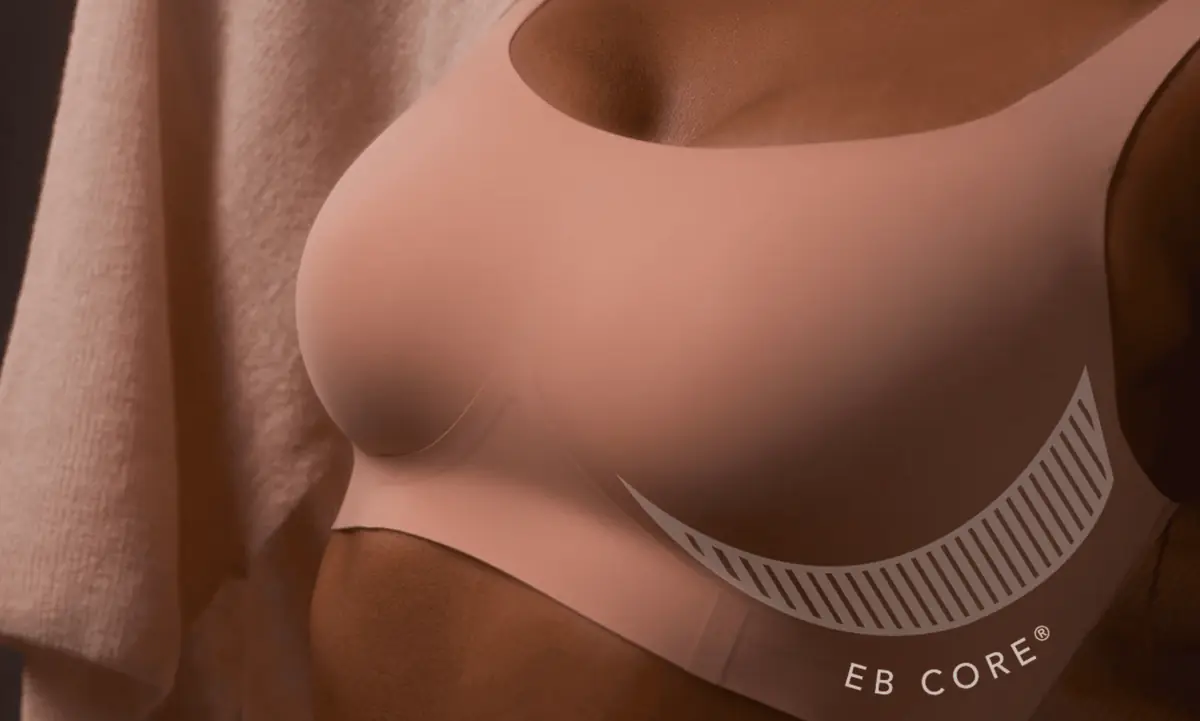
If you are deciding whether a wireless bra will work for your body and routine, the short answer is that the fit of the band, the cup shape and the fabric’s stretch matter far more than the marketing around comfort. This article explains how to evaluate those elements before you buy, how to test fit at home, and which trade-offs to expect from wire-free designs.
Why wireless bras are hard to judge from a product description
Most wireless bras are sold on words like “seamless,” “smooth” and “all-day comfort.” These describe intent, not performance. A wire-free bra has to do the work of support, separation and shape using only the band, the straps, the cup fabric and any internal panels. Because there is no rigid frame, the result depends heavily on how the pieces fit your specific measurements and movement, which a listing cannot show you.
The core question is simple: you want something comfortable enough to wear daily but supportive enough that you are not constantly adjusting it. The sections below treat fit, fabric and buying decisions as separate checks so you can run them in order.
Step 1: Measure before you compare sizes
Size charts vary between brands, so start with your own measurements. Use a soft tape measure. Measure the band snugly around your ribcage directly under the bust, keeping the tape level and parallel to the floor. Then measure the fullest part of the bust. Compare these numbers to the brand’s chart rather than assuming your usual size transfers.
Note that a wireless bra often needs a band that feels slightly firmer than you might expect, because the band typically carries much of the support. A band that is too loose will ride up and let the cups drift, regardless of how well the cups are shaped.
Step 2: Test the band and cup at home
If you can return the item, run these checks as soon as it arrives:
- Band check. Fasten on the loosest hook. You should be able to fit two fingers flat under the band, but not three. The band should sit horizontally without rising at the back.
- Cup check. The cup should contain the breast tissue without gaps at the top edge or sides, and without the fabric pressing into the tissue. Look for wrinkles or “smiling” lines running across the cup, which often signal that the cup is too large.
- Strap check. Straps should stay in place when you lift your arms without sliding off the shoulder or digging in. Adjust them so they hold without tension.
- Movement check. Reach forward, raise your arms overhead and twist. Note any rolling of the band, lifting of the cup or gaping at the neckline.
Illustrative example
Suppose a reader, whom we will call Dana for this example, measures in the middle of her usual range and orders the size that matches her bust measurement. The cups look fine, but the band rides upward when she bends. Rather than assuming the whole bra is wrong, she tries the next band size down while keeping the cup size, and the band stabilises without the cups becoming too small. This is a common pattern in wire-free fitting: the band and cup often need to be considered separately.
Step 3: Understand what stretch fabric does and does not do
Wireless bras commonly use stretch knit fabrics, often with a blend of synthetic fibres for elasticity. Stretch allows the garment to move with the body, which is part of why these styles often feel light. The trade-off is that stretch fabric can lose tension over time and may stretch out of shape if it is pulled during dressing or laundering.
Be cautious about any claim that a fabric will provide a particular level of support or performance without a documented basis. In general, a stretch fabric provides flexibility and comfort; it does not by itself guarantee lift, and you should judge lift from the fit test above.
Step 4: Read the care label and plan laundering
Care needs affect how long a wireless bra keeps its shape. Check the care label for the recommended wash temperature, whether to use a bag, and whether tumble drying is advised. Stretch knits generally hold up better when hand-washed or machine-washed gently and laid flat or hung to dry. Heat from a dryer tends to shorten the life of elastic components.
Common mistakes
- Buying the same size across brands without checking each chart.
- Choosing a band that feels loose in the store because it is “comfortable.”
- Assuming a bra with no wires will never need replacing; stretch loss is gradual and easy to miss.
- Washing in hot water or drying on high heat, which accelerates elastic fatigue.
Step 5: Decide what you need the bra to do
Wireless bras suit different situations, and a single style rarely fits every need. Consider where you will wear it:
| Use case | What to prioritise | Main trade-off |
|---|---|---|
| Everyday wear under light tops | Smooth cup, low-profile straps, breathable fabric | Less lift for larger or heavier bust shapes |
| Active days or long hours | Firm band, secure straps, stretch that returns to shape | Can feel snug until you adjust to it |
| Sleep or lounging | Soft band, minimal seams, easy removal | Limited structure during movement |
Buying questions to answer before you order
- Does the brand publish a size chart I can compare against my own measurements?
- Is the return policy clear, and does it allow fit testing at home?
- Does the fabric description specify the fibre blend and care instructions?
- Do my usual tops or dresses show the bra’s edges or strap lines?
Limitations of this guidance
This is editorial guidance based on fit principles and care practices, not firsthand testing of any particular product. Individual bodies, posture and garments vary widely, so treat these checks as a way to narrow your choices rather than a guarantee. If you experience pain, numbness or skin irritation from a bra, consider speaking with a qualified professional rather than relying on a general article.
Related resources
Cover: existing Evelyn & Bobbie brand image previously published on this site. This is editorial buying guidance, with no independent product testing claimed.