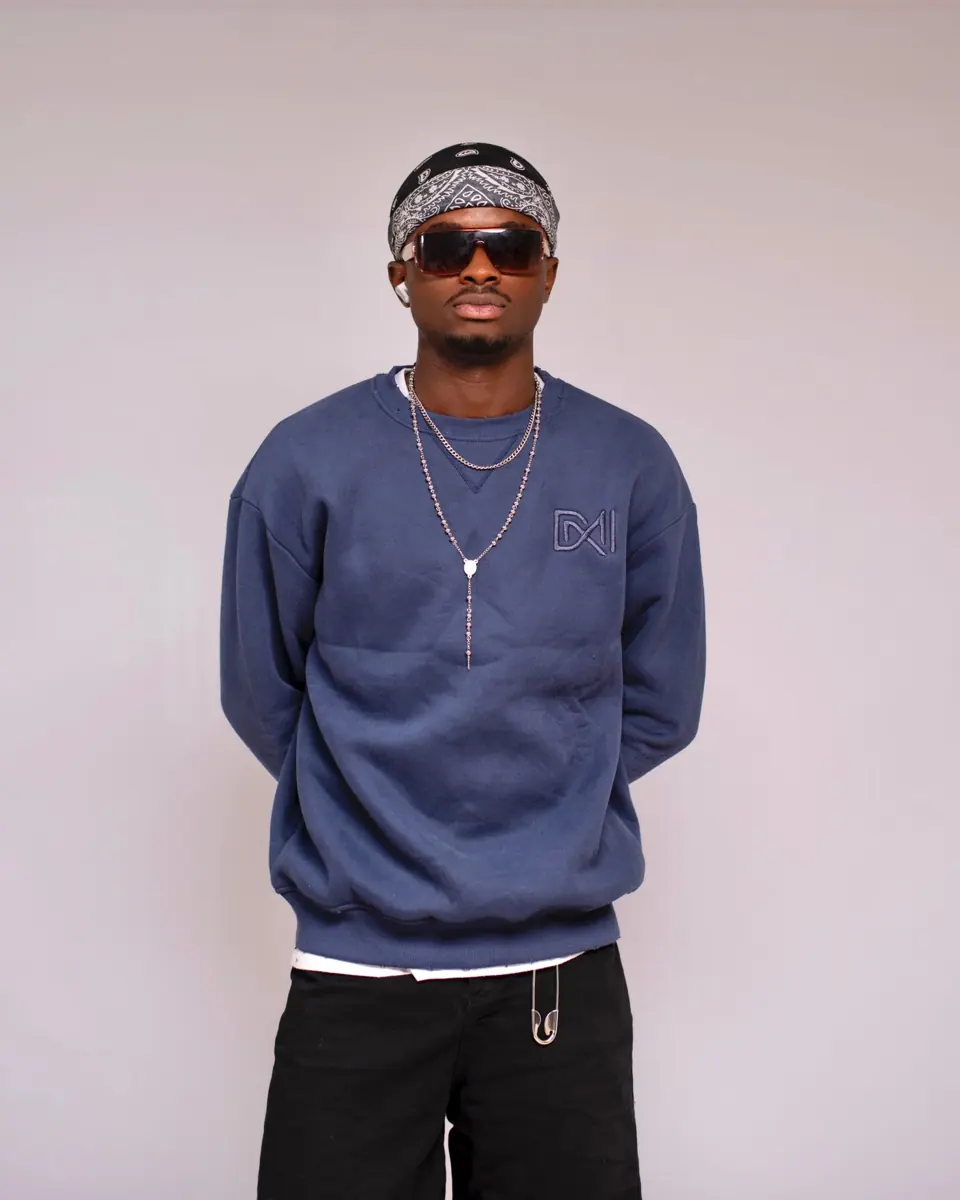
The photo-ready travel layering system is a small, repeatable set of clothing roles that lets you move between cold airports, overheated trains, and bright outdoor shoots without repacking or looking rumpled. The core idea is simple: decide each layer’s job before you pack, then choose pieces that can do that job in more than one setting. Most travelers who struggle with this are not short on clothes. They are carrying the wrong kind: a heavy coat that cannot be folded, a delicate knit that pills in a bag, or three bulky tops that all do the same thing badly.
This guide explains how to build the system as a decision process rather than a shopping list. It covers how to assign layer roles, how to test a garment against wrinkling, warmth and photo finish, and where the system breaks down.
The problem
Travel dressing fails in predictable ways. You arrive in a city that is 12 degrees colder than the one you left, and your only warm item is a bulky sweater that makes you look like you are wearing a sleeping bag. Or you dress well for the flight and then spend a full day walking, sitting, and carrying a bag, so the structured jacket creases and the trousers bag at the knee. When you finally stand in front of a camera, the outfit reads as improvised rather than intentional.
The fix is not more pieces. It is clearer roles. A layering system works when each item has one primary job and a secondary job, and when the whole set overlaps enough that any combination works.
The four roles
A practical travel system usually needs four roles. You can cover more than one with a single garment, but you should know which role each piece is playing.
- Base: the layer against the skin. Its job is comfort, moisture handling and a clean line under other layers. For most travelers this means a fitted tee, a fine knit or a simple camisole that does not show lines.
- Mid: the warmth layer. A soft knit, a fine merino-style sweater or a cardigan that can be worn open or closed. This is where most warmth lives, and where most bulk accumulates.
- Structure: the outer layer that frames the outfit. A tailored jacket, a crisp overshirt, or a short coat. It shapes the silhouette, covers the mid-layer, and is often the piece photographed most.
- Accessory: one compact item that adds warmth or interest without adding volume: a scarf, a thin beanie, a pair of gloves, or a single statement piece.
Keep the base and mid layers in neutral or closely related tones. Use the structure layer for contrast or texture. This keeps outfits coherent when you swap pieces, and it means the photo-worthy element is intentional rather than accidental.
Choosing fabrics by job
Fabric decides whether a layer survives travel. Two items with the same silhouette can behave very differently after twelve hours in a bag.
| Layer role | Fabric behavior to look for | Main trade-off |
|---|---|---|
| Base | Smooth knit or fine jersey that springs back | Can show sweat or cling in heat; check opacity under light |
| Mid | Fine-gauge knit that compresses without pilling | Loose knits look cozy but stretch out and snag |
| Structure | Woven fabric with some body and wrinkle recovery | Stiff fabrics crease sharply; very soft ones lose shape |
| Accessory | Light, packable textile that folds flat | Thin materials offer less warmth per square centimetre |
Care information matters here. Fabrics that need hand washing or flat drying are harder to refresh on the road. Check the care label before you buy and follow it; a layer you cannot wash as the label directs will be harder to keep fresh on a trip. For background on reading care symbols and fibre care, the clevercare.info site is useful general reading. A layer you cannot wash easily is a layer you will wear less often by the end of a trip.
A worked example
Illustrative example: a three-day trip from a mild city to a cooler one, with a flight in the middle. Suppose the packing list contains a fitted black knit top (base), a fine grey crew-neck sweater (mid), a navy unstructured blazer (structure), and a rust-coloured scarf (accessory). On the flight, the traveler wears the base and mid layers with the blazer open over the seat back. On arrival, the blazer goes on, the scarf comes out, and the outfit reads as a single planned look. The sweater can be pulled off in a heated museum without changing the silhouette. Nothing in this set is bulky, and the scarf does most of the colour work so the rest can stay quiet.
Notice what the example does not require: a second coat, a special travel jacket, or multiple colours. The system works because the pieces overlap.
Common mistakes
- Packing two warm layers that do the same job. Two heavy knits take the space of one warm knit and one structured layer, which is usually what you actually need.
- Choosing the structure layer for the arrival and not the journey. If the jacket cannot be worn comfortably on a plane or train, you will end up carrying it.
- Relying on a single accessory to fix everything. A scarf cannot compensate for wrong fabric weight. It is best as a final adjustment.
- Ignoring pockets and bag interaction. A structured jacket with pockets that hold a phone and a card is more useful than an elegant one that forces you to carry everything in your hands.
- Testing the system only at home. Wear the full combination for a few hours before you travel. Sitting, carrying, and standing reveal problems that a mirror does not.
Trade-offs and limits
The system favours versatility over specialization. A traveler heading to a polar climate, a high-altitude hike, or a formal event with a strict dress code will need items outside this framework. Likewise, if you rarely wear layers, building the system may cost more than it saves.
There is also a trade-off between photo finish and comfort. Fabrics that photograph crisply often need more care and hold less warmth. Fabrics that are very warm can look bulky under flat light. Decide which matters more for a given trip before you pack.
Questions to ask before you pack
- What is the coldest and warmest temperature I expect across the whole trip, not just the arrival day?
- Which layer will I wear for the longest stretch, and will it survive sitting and carrying?
- Can each top pair with at least two bottoms I am bringing?
Related resources
Cover: Pexels photograph, used as an editorial illustration. Stock models and products shown do not imply endorsement or independent product testing. Image license.