When you are deciding whether to buy a refill for a cosmetic you already own, the packaging is often the strongest clue to whether the refill will actually save you time, money and hassle. A refill that fits the original container well, uses a pump or applicator you already trust and avoids unnecessary waste is a sensible purchase. A refill that leaves you decanting product into a bottle that leaks, or that requires a different tool to dispense, is often more trouble than it is worth. This guide explains how to compare packaging before you buy, so the decision rests on the container rather than the marketing around it.
The problem: refills look similar but behave differently
Most refills are sold with a promise of convenience: less plastic, less money spent, the same product in a smaller footprint. In practice, a refill can differ from the original in ways that are easy to overlook on a product page. The closure may be a different size, the dispensing mechanism may have changed, the fill weight may not match the container you keep at home, or the refill may arrive in a pouch that is awkward to pour without spilling. Each of these differences affects how much product you actually use and how frustrating the routine becomes.
The goal is not to find the most eco-minded or the cheapest-looking option. It is to determine whether the refill will work with the container and habits you have now. A careful comparison takes a few minutes and prevents the common outcome of a drawer full of half-used refills.
Step 1: Measure and photograph your current container
Before you look at any refill, record the details of the container you already have:
- Overall height and diameter, or the dimensions of the bottle or jar.
- The closure type: pump, screw cap, flip cap, dropper, flat lid or airless mechanism.
- The opening width, since a pump or dropper depends on it.
- Whether the product is meant to be used with a tool, such as a spatula, brush or sponge.
- A photo of the container with a coin or ruler beside it, so the scale is clear later.
Write these details in a note on your phone. When you compare a refill, check it against this list rather than trusting a general description such as “fits most bottles”.
Step 2: Identify the packaging type of the refill
Refills usually come in one of four forms, and each has a different set of trade-offs.
Pouch or sachet
Pouches are lightweight and easy to store, but they can be harder to pour cleanly. They suit products you can transfer with a spatula or squeeze gently. They are a poor match for thick products that need controlled dispensing.
Refill jar or tub
A refill jar often matches a container of similar opening size, which makes transfer simple. The risk is that the jar may be a different shape, so the product sits at a different depth and can be harder to scoop to the bottom.
Refill bottle with a new closure
Bottles can be useful if the closure matches. The most common problem is mismatched threads or pump size. Check the closure before buying, because a pump that looks identical can deliver a different dose.
Cartridge or insert
Some systems use a cartridge that slots into a reusable outer case. These reduce waste if the case lasts, but they add a dependency: you must buy the correct cartridge for the case, and the case itself may need replacement parts.
Step 3: Compare the key features side by side
Use the table below as a checklist. Fill it in for each refill you are considering, using the product information and your measurements.
| Feature | What to check | Why it matters |
|---|---|---|
| Closure compatibility | Matches your pump, cap or dropper type and size | Mismatch makes the product unusable or messy |
| Opening width | Comparable to the original container | Determines whether you can scoop or pour easily |
| Dispensing method | Pour, squeeze, pump or applicator | Affects control, waste and hygiene |
| Viscosity fit | Thick, fluid or gel-like product | Thick product may not pour from a pouch |
| Storage footprint | Height and shape when stored | Affects shelf or drawer space |
| Transfer effort | Number of steps to refill your container | More steps mean more chances to spill or contaminate |
| Reuse value | Whether the outer container lasts through multiple refills | Determines whether the refill system reduces waste over time |
| Labelling | Ingredient and batch information remains visible | Lets you check the product and track expiry |
Step 4: Think through the transfer process
The most underrated factor is the transfer. Imagine doing it in your bathroom with a half-empty container and wet hands. Ask yourself:
- Can I pour without touching the opening of the refill?
- Do I need a spatula or funnel, and do I already own one?
- Will any product remain stuck to the sides of the pouch or jar?
- Is there a way to close the container immediately after transfer?
If the answer to several of these is “no”, the refill may create more waste and frustration than it saves. Keeping hands and tools clean during transfer also helps limit contamination. General hygiene practice for makeup tools suggests keeping them clean and not sharing them, and the same caution is sensible for funnels and spatulas used for transfer.
Example: comparing two hypothetical refills
This example is illustrative only and does not describe any real product. Suppose you have a pump-dispensed foundation in a bottle with a narrow neck. You find two refills. Refill A comes in a pouch that must be snipped and squeezed into the bottle. Refill B is a jar with a wide opening and a pump lid of the same size as your bottle’s pump.
Refill A looks cheaper and lighter, but the narrow neck and the thickness of the product make transfer messy, and you will likely lose some product on the sides of the pouch. Refill B has a larger footprint, but the matching pump means you can transfer into a clean, closed bottle without tools. The pump also dispenses the same dose you are used to. In this scenario, Refill B is the better choice even though it takes up more shelf space, because the compatibility and transfer effort are better.
Common mistakes
- Trusting the word “universal”. Few closures are truly universal. Check the actual dimensions.
- Ignoring the pump output. Two pumps can look identical and deliver different amounts.
- Forgetting the last portion. Consider whether the refill’s shape lets you use the product to the end.
- Buying too many refills at once. Test one before committing to a set, especially for a new packaging type.
- Overlooking hygiene. Wash hands and tools before transfer, and avoid returning used product to the refill.
- Assuming less packaging means less impact. A refill that is hard to use may end up discarded, which defeats its purpose.
Limitations of this guide
This is editorial guidance based on researched principles, not hands-on testing of specific products. Packaging design changes frequently, and the details of any particular refill should be verified on the product’s own information. The principles above help you ask better questions, but they cannot tell you whether a specific formula will perform well on your skin. For skin concerns, consult a qualified professional rather than relying on packaging alone.
Quick decision rule
If the refill matches your closure, transfers in one or two clean steps, and fills your existing container without leftover product, it is a good candidate. If any of those three conditions fails, it is probably better to buy a full replacement or to keep the current container until it is empty.
Questions to ask before you buy
- Does the refill’s closure match the one I already use, in size and type?
- Can I transfer the product without a tool I don’t own?
- Will the outer container be reused, and how many refills can it take?
Related resources
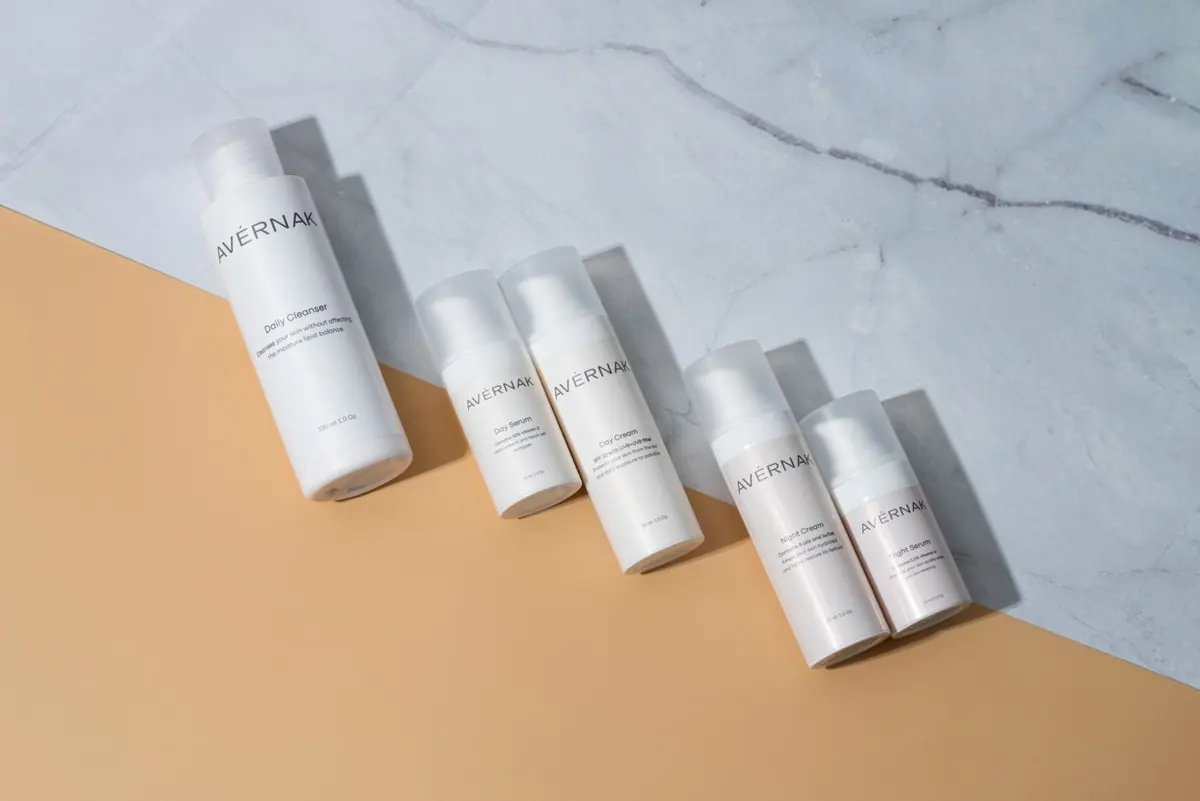
Cover: Pexels photograph, used as an editorial illustration. Stock models and products shown do not imply endorsement or independent product testing. Image license.