A rental room rarely needs new furniture to feel finished. In most cases, the real problem is that the room’s layout, textiles and light were never arranged with intent: the sofa floats in the middle of the floor, the only lamp sits on a cold overhead fixture’s shadow, and the bed linen is a random set bought in a hurry. The fix is a sequence of small, reversible decisions. Start by changing where things sit and how light falls, then add textiles that solve specific problems, and only then consider objects. This article walks through that sequence with a checklist of inspection points and the trade-offs of each step.
Start with an inspection, not a shopping list
Before moving anything, walk through the room once at a normal pace and note what you actually do there. Most rooms fail not because they lack decoration but because the daily routes are awkward. Use this checklist:
- Circulation: Can you cross the room without turning sideways or stepping around a piece of furniture? If a chair must be pushed to open a drawer or reach a window, the layout is working against you.
- Anchor points: Identify the fixed features you cannot change: windows, radiator or heating outlets, door swing, power sockets, and any ceiling light position. Every layout decision should respect these.
- Light sources: Count how many light points you can switch on separately. A room lit from one central fixture will always look flat in the evening, regardless of furniture.
- Surfaces in use: Note which flat surfaces are actually used (a side table, a shelf, a desk edge) and which just collect things.
- Textile wear: Check curtains, cushions, rugs and bed linen for fading, pilling, or odours. Worn textiles can undo an otherwise good arrangement.
This inspection often reveals that the room needs fewer changes than expected. A rental room with two working light points and a clear path to the window is already more than half-refreshed.
Layout: define zones before moving furniture
A small room usually serves two or three purposes: sleeping and sitting, eating and working, or sitting and storing. Decide which zones you actually need, then assign each one a footprint on the floor. A simple method is to mark the zones with painter’s tape on the floor, which is removable and will not damage most rental floors (check your lease for any restrictions on adhesives, though).
Common layout mistakes include:
- Pushing every piece against a wall to “make space”, which creates a hall-like feeling and makes the room harder to use.
- Placing the largest piece first and fitting everything else around it, rather than defining the walkway first.
- Turning a sofa to face a television that is hard to reach or poorly positioned relative to the window.
- Blocking a radiator or heating outlet with a bulky piece, which affects comfort and can cause fabric damage over time.
Illustrative example: In a hypothetical 3-by-4-metre living room with one window and a door in the corner, the sofa was originally against the longest wall, forcing people to walk through the seating zone to reach the window. Moving the sofa to float slightly away from the wall, with a 60 cm walkway behind it, and placing a single armchair perpendicular to the window restored a clear route and gave the room two conversation areas without buying anything new. The trade-off was that the sofa now needed a rug to visually anchor it, which is covered below.
When to float furniture and when to anchor it
Floating a sofa or bed away from walls defines a zone and improves movement, but it can make a room feel unfinished if nothing else grounds the arrangement. Use a rug, a lamp table or a low shelf to anchor the floated piece. Keep pieces against walls where the room is narrow, where a radiator sits behind, or where a sightline matters.
Light: plan from the switch, not the shop
Lighting in rentals is often limited by fixed ceiling fittings and sockets, but you can still shape how light is distributed. The goal is to create layers: one soft source for general use, one for task work, and one warm accent for evenings. Map where you sit or work in the evening, then check what can reach it with a cord, a plug socket or a switched point. Before buying another lamp, read the earlier considerations in your own room, since a lamp placed where it cannot be switched or plugged in is wasted.
Trade-offs to weigh:
- Cable routing: Visible cables look untidy and can be a tripping hazard. Route them along skirting boards using cable tidies or tuck them behind furniture, and check your lease before fixing anything to walls.
- Shade choice: Opaque shades direct light downward and create pools of brightness; translucent shades diffuse light but can glare if the bulb is exposed. Choose according to whether the lamp is for reading or ambient use.
- Daylight: Lighter curtains or sheer layers maintain daytime brightness; heavier fabrics help with privacy and warmth but reduce natural light in the evening.
Textiles: solve one problem per fabric
Textiles do the most visible work in a rental refresh because they are easy to change, but they also create the most confusion. Treat each textile as a tool with a specific job:
| Textile | Main job | Check before buying or changing |
|---|---|---|
| Rug | Anchor a zone and soften sound | Whether the size leaves the front legs of seating on it; whether it can be cleaned |
| Curtains | Privacy, light control, warmth | How they open and close without blocking handles; how they hang relative to the window frame |
| Cushions and throws | Comfort and colour accents | Whether covers are removable; how they are laundered |
| Bed linen | Sleep comfort and daily feel | Fibre, weave and care label instructions |
A common mistake is buying a rug that is too small, which makes a seating area look like it is floating awkwardly. Another is mixing too many patterns, which competes with the layout you have just clarified. Choose one dominant pattern or texture per zone and let the rest be plain.
Test the changes before committing
Before buying anything new, run a short test over a week. Keep a note of three questions: Did the layout reduce bumping or detours? Did the lighting make the evening zone feel usable? Did the textiles feel comfortable and easy to care for? If the answers are mostly yes, you can invest in replacements. If not, adjust the layout first, since moving furniture costs nothing.
Limitations of a rental refresh
There are real limits. Fixed fittings, restricted wall fixings and landlord rules may prevent certain changes, and a rental room will always depend on the building’s structure and window orientation. Lighting that is adequate in the day may still be dim at night in a north-facing room, and no textile can fully compensate for poor insulation or noise. Treat the refresh as a set of improvements to daily use rather than a transformation of the room’s architecture.
Common questions
Is it worth buying a rug if my lease limits changes?
Usually yes, because a rug is removable and does not alter the structure. Check the lease for any rule about floor coverings only if the floor is wood or tiled and you are concerned about damage.
How many textiles should a small room have?
Fewer is generally better. A rug, one set of curtains, a few cushions and one throw is often enough to create a coherent look without clutter.
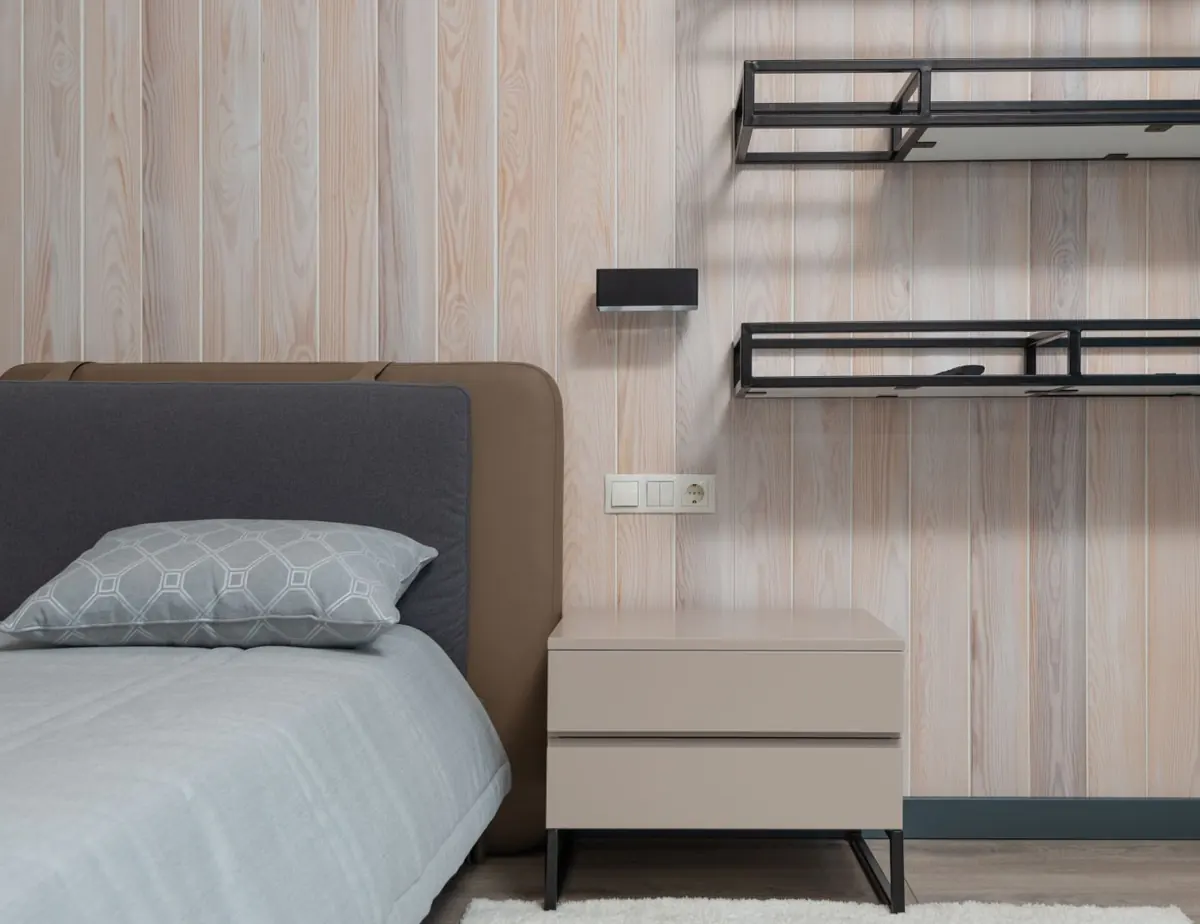
Cover: Pexels photograph, used as an editorial illustration. Stock models and products shown do not imply endorsement or independent product testing. Image license.
A removable topper is one of the easier bed upgrades in a rented room. Here is how to choose a mattress topper.