Most clothes that fit poorly do not need replacing. A jacket with sleeves that hang past the wrist, trousers that pool at the ankle, or a dress that gapes at the bust can often be made to work with a skilled tailor. The problem is that many people take a garment to an alterations shop without a clear idea of what can realistically be changed, what will cost more than the item is worth, and what will never look right no matter how well the work is done. This checklist is meant to help you decide what to bring in, what to ask, and when to walk away.
Start with the fit problem, not the garment
Before you think about a specific fix, describe the problem in plain terms. Tailors work from observable fit issues, and a precise description saves time and money. Ask yourself:
- Is the garment too large everywhere, or only in one area?
- Does the problem sit at the seam line, or does fabric bunch between seams?
- Does the garment restrict movement when you sit, lift your arms, or walk?
- Is the length wrong, the width wrong, or both?
A useful test is to wear the garment with the shoes or undergarments you would normally pair with it, then stand in front of a mirror and sit down. Pinch the excess fabric lightly to see how much can be removed. If the fabric is visibly strained across the chest, hips, or seat, the problem may be the cut rather than the size, and that is harder to correct.
What is usually feasible
Alterations fall into a few broad categories. The table below sorts common requests by how often they succeed and what usually limits them. These are general patterns for guidance, not guarantees for any particular item.
| Request | Typical feasibility | Main limitation |
|---|---|---|
| Hemming trousers or a skirt | Usually straightforward | Original hem allowance and fabric width |
| Taking in side seams | Often workable | Seam allowance and lining construction |
| Shortening sleeves | Workable on many jackets | Cuff design, buttons, and lining |
| Adjusting shoulder width | Difficult | Structure of the shoulder and armhole |
| Enlarging a garment | Limited | Available seam allowance and fabric that may show wear or color difference |
| Changing the overall silhouette | Often impractical | Cut, darts, and fabric grain |
The most reliable alterations are the ones that work with existing seams. Hems, side seams, and sleeve lengths usually have material to spare. Shoulders, necklines, and armholes are built into the structure of the garment, so changes there tend to disturb the whole piece.
Check the seam allowance before you commit
Turn the garment inside out and look at the seam allowances, especially at the hem, side seams, and waistband. Narrow allowances limit how much can be let out. Some seams are overlocked or serged, which is more secure but leaves less room to adjust. Lined garments add a layer of work, because the lining must be altered along with the outer fabric and the two may not move together.
This check is the single most useful step before visiting a tailor. If there is almost no seam allowance to work with, ask whether the alteration is still possible or whether the plan should change.
Worked example: a wool blazer
Illustrative example, hypothetical: Imagine a navy wool blazer that fits well across the chest but has sleeves about two centimeters too long. The shoulders sit slightly wide, and the body is loose at the waist. A reasonable plan might be to shorten the sleeves and take in the waist, while accepting that the shoulders will stay as they are.
Sleeve shortening is a common request. The tailor will usually open the lining at the cuff, adjust the sleeve length, and reattach the lining. If the blazer has working buttonholes at the cuff, the tailor will need to decide whether to move them or leave them in place. Waist taking-in is done along the side seams and sometimes the back seam, which depends on how much allowance exists. The shoulders are the part to leave alone, because reshaping them would involve the armhole and the internal padding, and the cost would probably exceed the value of the garment.
In this scenario, the realistic outcome is a blazer that fits better in the sleeves and waist, with the shoulders still slightly wide. Whether that is good enough depends on how much the shoulder fit bothers you once the rest is corrected.
Common mistakes
- Asking for changes the garment cannot support. A tailor can often say this in advance if you describe the problem clearly and bring the item.
- Altering before washing or trying the item on in the right shoes. Hem length changes with heel height, and fabric can shrink or relax after cleaning.
- Ignoring the lining. Lining that is cut too short or pulls at the shoulder will show after a single wearing.
- Choosing a tailor by price alone. Work on delicate fabrics, structured tailoring, and visible hems requires more skill, and the difference shows over time.
- Assuming alterations are reversible. Cut edges, removed darts, and moved buttons are generally permanent.
A short checklist before you visit a tailor
- Describe the fit problem in one sentence.
- Check the seam allowances at each area you want changed.
- Note whether the garment is lined and where the lining is attached.
- Wear or bring the shoes you will use most with the item.
- Ask the tailor which changes are not recommended for this garment.
- Request a written or verbal estimate that names each alteration.
Questions to ask the tailor
- Is there enough seam allowance for the change I am requesting?
- How will the lining be handled, and will it need separate work?
- What part of this change is most likely to show, and how can it be minimized?
- Would you recommend against any part of the request?
Care of altered garments
After alterations, the way a garment is cleaned affects how well the new seams and hems hold. Check the care label before washing, especially for wool, silk, and structured tailoring that may need professional cleaning. The clevercare.info guidance on textile care is useful background reading on washing and drying different fabrics. Following the care label closely is the most reliable way to protect an altered piece, and the alteration will not necessarily last as long as the garment does.
When to walk away
Some garments are better left as they are or replaced. If the fit problem requires changing the cut of the shoulders or the overall shape, if the fabric is fragile or already worn, or if the cost of alterations approaches the cost of a replacement you would actually wear, the honest decision may be to stop. An alteration makes sense when it solves a specific, fixable problem in a garment you already value.
Related resources
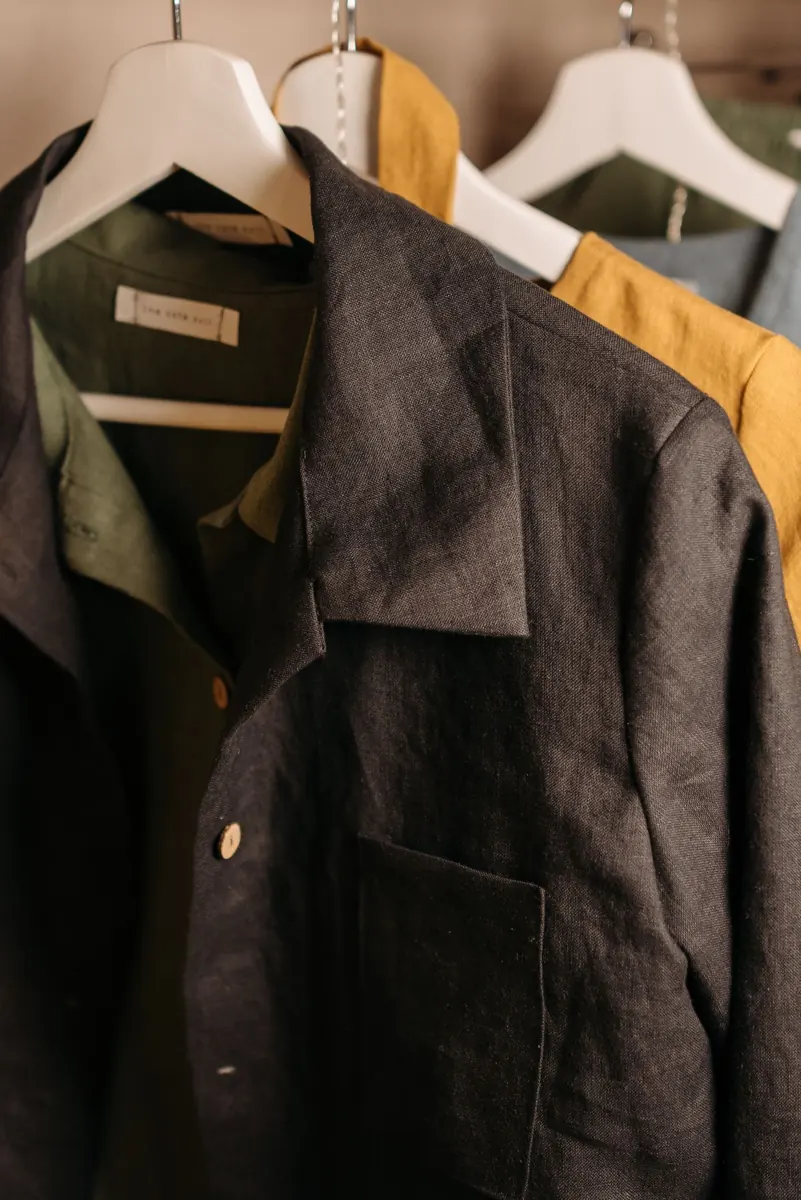
Cover: Pexels photograph, used as an editorial illustration. Stock models and products shown do not imply endorsement or independent product testing. Image license.